
Top Low Investment Franchises for 2026
Franchising, Low Investment, Entrepreneurship
Low Investment Franchises Worth Considering in 2026
Franchise ownership doesn’t have to mean writing a seven-figure check. In 2026, a growing number of home-based and mobile concepts let you step into business ownership with far less capital—if you understand what “low investment” really looks like and what tradeoffs come with it.
What “Low Investment” Really Means in 2026
Industry analysts typically define a low-cost franchise as one with a total initial investment under about $50,000, including the franchise fee, basic equipment, and some working capital (FDD Item 7) [fddiq.com; franchisestack.ai]. Some broader lists stretch “low-cost” up to $100,000, but for many first-time buyers, under $50K is the realistic ceiling they can fund with savings, a small loan, or a home equity line.
In this range, you’re usually looking at home-based or mobile service models—not full restaurants or big-box fitness clubs. These concepts avoid expensive build-outs and heavy equipment, trading square footage for flexibility and a leaner launch.
Categories of Lower Investment Franchises to Watch
Several categories consistently show up in the sub‑$50K space in 2026, based on Franchise Disclosure Documents and industry rankings [franchisestack.ai; franchiseverdict.com]:
Home-based travel agencies – Brands like Dream Vacations and Cruise Planners often start under $20K. You work from home, earn commissions on trips, and ramp up over 12–24 months as you build a book of clients [franchisestack.ai].
Commercial and residential cleaning – Systems such as Stratus Building Solutions, Jan‑Pro, and Buildingstars typically fall below $50K and benefit from recurring B2B contracts and predictable demand [franchisestack.ai].
Home and mobile services – Think home organization (2B Organized), medical billing (American Business Systems), or RV tank cleaning (Tank Rangers). These are usually owner-operated, local, and flexible [thefranchisebrowser.com; franchiseverdict.com].
Personal and B2B services – Leadership Management International (LMI) in training and consulting, Chefs For Seniors in at‑home meal prep, and estate or financial coaching models offer professional services from a lean, home-based setup [franchisestack.ai; franchiseverdict.com].
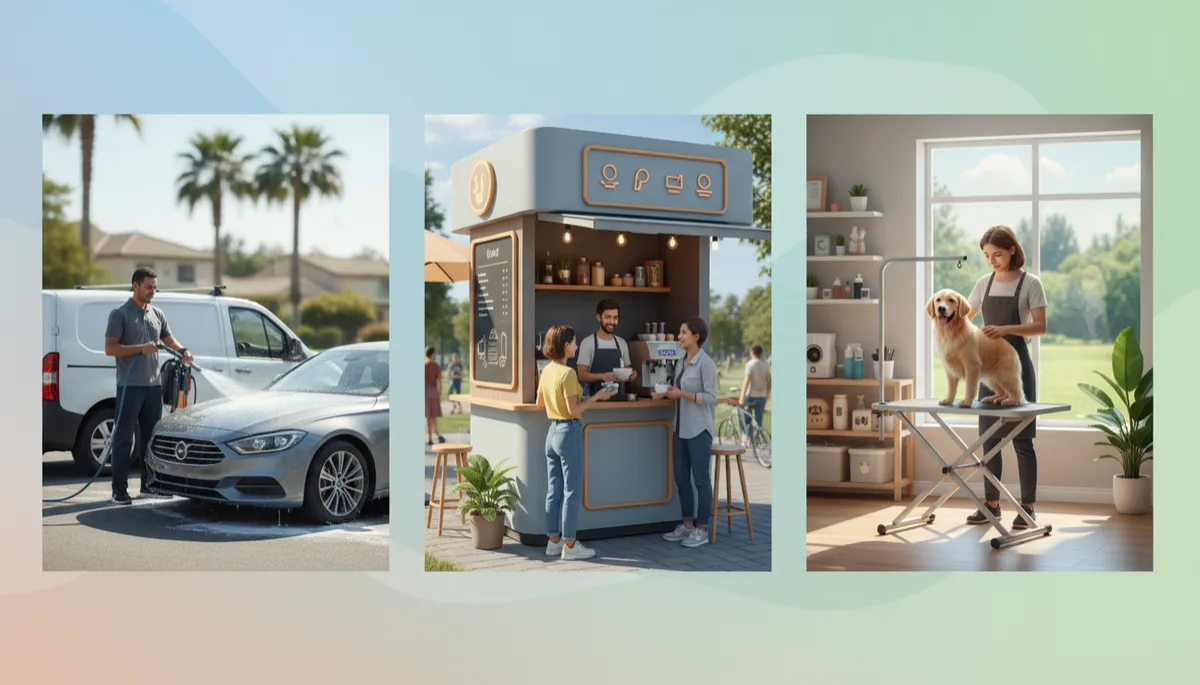
Mobile and home-based franchises trim real estate costs, lowering the barrier to entry.
Costs Beyond the Initial Franchise Fee
A low franchise fee doesn’t automatically mean a low total investment. When you review an opportunity, look carefully at the entire cost picture in the FDD, especially Item 7 and the notes that follow [thefranchisebrowser.com]. Key cost buckets include:
Working capital – Cash to cover several months of expenses while you build revenue. Many experts suggest budgeting an extra 25–50% of the listed startup total as runway [vetmyfranchise.com].
Royalties and marketing fees – Ongoing percentages of sales that can significantly affect your take‑home income. Some ultra‑low‑cost brands offset low entry fees with higher royalties [franchisecostcalc.com].
Technology and vendor costs – Required software, booking platforms, or supplies purchased from approved vendors can add meaningful monthly overhead.
Insurance, licensing, and vehicles – Especially for mobile and home‑service concepts, you may need a reliable vehicle, local licenses, and industry‑specific insurance coverage.
Tradeoffs: Low Startup Cost vs. Scalability and Lifestyle
Low investment franchises can be a smart, attainable entry point—but they’re not “easy money.” Most sub‑$50K concepts are owner‑operator businesses. You’ll likely be selling, servicing clients, and managing operations yourself, at least in the early years [franchiseverdict.com].
On the upside, these models can ramp up faster than complex brick‑and‑mortar brands, and many—like cleaning, consulting, or travel—offer recurring or relationship‑based revenue. On the downside, scaling often means adding vehicles, teams, or territories one step at a time rather than leaping to multi‑unit, semi‑absentee ownership right away.
📌 Key Tradeoff: A low upfront check can open the door, but your time, energy, and appetite for hands‑on work will determine how far you can grow the business.
Take the Next Step with Expert Guidance
If you have the drive to own a business but not a huge lump sum to invest, low‑investment franchises in home services, mobile concepts, cleaning, and personal services can offer a realistic path forward. The key is matching the right model to your budget, skills, and lifestyle goals—and going in with clear eyes about costs and tradeoffs.
You don’t have to sort through FDDs and financials alone. Connect with a qualified franchise consultant to explore brands that fit your capital, risk tolerance, and long‑term ambitions. A grounded conversation today can help you move from “someday” to a concrete ownership plan in 2026 and beyond.

