
Resale Franchise vs. New Unit: Make the Right Choice
Franchising, Business Ownership, Investment Decisions
Buying a Resale Franchise vs. Opening a New Unit: Which Is Right for You?
For many investors, franchising offers a proven path into business ownership. Yet one of the first decisions you’ll face is whether to buy a resale franchise from an existing owner or open a brand-new unit from scratch. Both routes can lead to success, but they suit different timelines, risk tolerances, and personal goals.
Why Consider a Resale Franchise?
A resale franchise is an existing location being sold by the current franchisee. One of the biggest advantages is the established customer base. You’re stepping into a business that people already recognize and use, which can shorten the time it takes to feel stable in your new role as owner.
Another key benefit is the potential for immediate cash flow. Instead of waiting months for revenue to build, a healthy resale can generate income from day one. This is especially appealing if you rely on the business to support your lifestyle or repay financing quickly.
Most resale locations also come with a trained staff already in place. Employees who know the systems, products, and customers can reduce the learning curve and help you maintain service quality while you get up to speed as an owner. Along with that, you gain access to a verifiable financial track record—historical profit-and-loss statements, sales trends, and expense patterns that allow you to analyze performance rather than relying solely on projections.
The Tradeoffs of Buying a Resale
These advantages come with tradeoffs. Because you’re buying a proven operation, you can expect a higher purchase price than you would pay in start-up costs for a new unit. You’re not only paying for equipment and build-out; you’re also paying for goodwill, cash flow, and brand presence in that market.
There’s also the risk of inherited problems. Operational issues, a poor local reputation, an outdated facility, or a challenging staff culture may not disappear simply because ownership changes. While some problems can be fixed, they may require additional time, capital, and management effort.
Finally, a resale typically offers less room to shape the business. The layout, customer expectations, and even the team dynamics are already set. If your vision is to build something in your own image, you may feel constrained by the history of the location and the habits of long-time customers and staff.
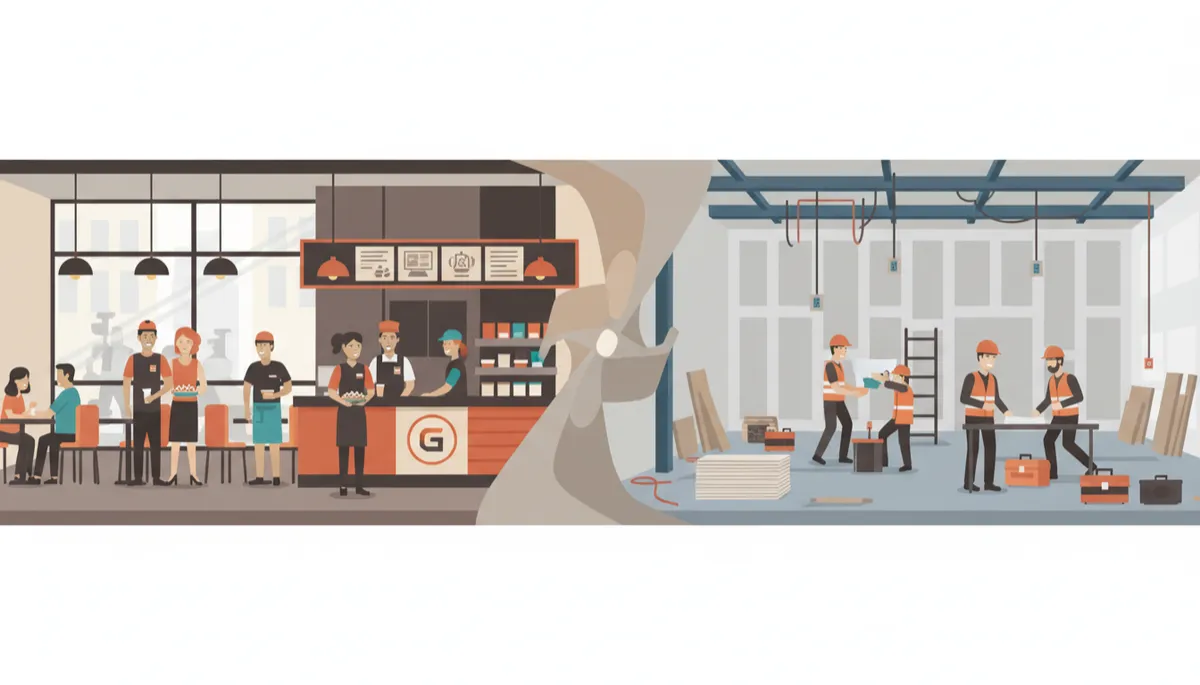
Resale units offer speed to income, while new builds emphasize control and growth potential.
The Appeal of Opening a New Unit
Launching a new unit gives you a true fresh start. You’re not tied to past decisions or legacy issues; instead, you can implement best practices from day one and establish the culture you want from the ground up.
You also enjoy full control over the build and team. From site layout and interior finishes to hiring every staff member, you can shape the environment to match your standards and the franchisor’s latest design guidelines. For many owners, this sense of ownership over the details is deeply satisfying and can support long-term performance.
Another major draw is territory choice. With a new unit, you may have more flexibility to select a market with strong demographics, growth potential, or proximity to your home. Strategic territory selection can be a powerful driver of long-term value, especially if you plan to own multiple locations.
Risks and Realities of a New Franchise
The flip side is a longer ramp up period. Even with strong marketing and franchisor support, it takes time for the community to discover your business, try it, and become repeat customers. You’ll need sufficient working capital to cover expenses while sales build.
There’s also the risk of slow early revenue. Seasonality, local competition, or simple market awareness can delay the point at which the business breaks even. If your priority is quick income, this uncertainty may feel uncomfortable, and a resale could be more appropriate.
What to Review Before Buying a Resale
If you lean toward a resale, conduct careful due diligence. Start with the location’s financials: multi-year profit-and-loss statements, tax returns, and sales reports. Look for consistent performance, realistic owner compensation, and any unusual spikes or drops that need explanation.
Next, examine the lease terms. How many years remain? Are there renewal options, rent escalations, or clauses that could affect profitability or your ability to exit later? A strong franchise in a weak lease situation can quickly become less attractive.
Finally, confirm franchisor transfer approval. Most franchisors must vet and approve new owners before a resale can close. Understanding their requirements, fees, and timeline will help you plan your transition and avoid surprises.
Choosing the Path That Fits Your Goals
In the end, deciding between a resale franchise and a new unit comes down to your priorities. If speed to income, existing operations, and reduced start-up uncertainty matter most, a well-vetted resale may be the better fit. If you’re excited by building something from the ground up, shaping a team, and selecting your territory, a new unit could align more closely with your vision.
To compare specific opportunities and match them to your investment goals, timeline, and risk tolerance, connect with a KLW franchise consultant. They can help you evaluate both resale and new unit options so you can move forward with clarity and confidence.

